


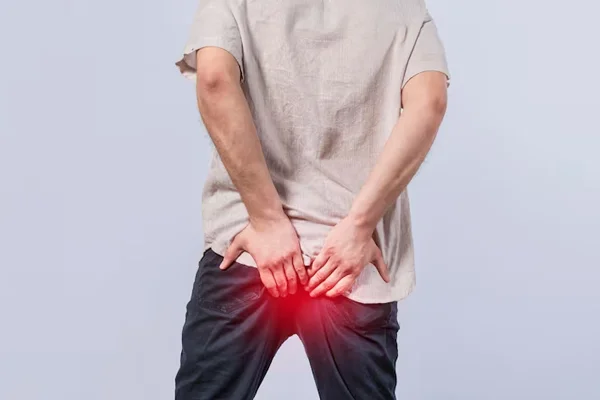
You notice blood after passing stool. Then comes the itching, discomfort or swelling. Maybe you start avoiding certain foods, spending less time in the bathroom or worrying about whether the problem will get worse.
Piles are common, but recurring bleeding or anal discomfort should not simply be ignored. If you are looking for piles treatment in West Delhi, the right starting point is understanding whether haemorrhoids are actually causing your symptoms.
Piles, or haemorrhoids, are swollen veins in the lower rectum or around the anus.
You may notice:
Bright-red blood after passing stool
Itching around the anus
Pain or irritation
Swelling or a lump
Discomfort while sitting
A feeling that something is protruding from the anus
Symptoms can vary depending on whether the haemorrhoids are internal or external.
Seeing blood can be worrying.
Haemorrhoids are one possible cause of rectal bleeding, but they are not the only one. Anal fissures, bowel conditions, infections and other problems can also cause bleeding.
That is why repeated or unexplained bleeding deserves professional evaluation rather than repeated self-treatment.
Hard stools and straining can put extra pressure on the veins around the anus.
Adequate dietary fibre and fluids can help many people maintain softer stools.
Regular movement can also support healthy bowel habits. Most importantly, avoid repeatedly straining or sitting on the toilet for long periods.
If constipation is contributing to your symptoms, improving your daily routine may reduce the pressure that makes piles worse.
But lifestyle changes should not be used as a reason to ignore persistent bleeding or severe symptoms.
Not everyone with piles needs the same treatment.
Depending on the diagnosis, your healthcare professional may recommend dietary changes, better bowel habits, fluids and other supportive measures.
Some haemorrhoids improve when constipation and straining are properly managed.
If bleeding, pain, swelling or prolapse continues, further treatment may be considered.
The appropriate option depends on the severity and type of haemorrhoid. A professional examination should come before deciding on a procedure.
In our experience with clients, one of the biggest issues is delayed consultation.
One client had recurring bleeding and discomfort but kept treating it at home because the symptoms would temporarily improve. When the problem continued to return, professional assessment provided a clearer understanding of the condition and the appropriate next step.
The lesson is simple: temporary relief does not always mean the underlying problem has gone away.
There is a common belief that piles automatically mean surgery.
That is not true.
Treatment depends on the individual case. Some people improve with conservative measures, while persistent or advanced haemorrhoids may require procedures. The goal should be appropriate treatment—not automatically the most aggressive treatment.
Piles treatment does not end when you leave the clinic.
Avoid unnecessary straining and prolonged sitting on the toilet.
Pay attention to constipation and maintain a diet that provides adequate fibre. If your healthcare professional gives you specific bowel-care instructions, follow them consistently.
If a home remedy helps temporarily but symptoms keep returning, continuing the same approach without evaluation may only delay proper care.
Recurring symptoms are a reason to reassess the situation.
Haemorrhoids are common, but that does not mean you should simply accept ongoing pain or bleeding.
Getting the condition assessed can help distinguish piles from other anorectal problems and ensure that treatment matches the actual diagnosis.
Depending on the practitioner's qualifications and services, anorectal care may include:
Piles and haemorrhoid assessment
Anal bleeding evaluation
Anal fissure assessment
Anal pain and itching
Constipation-related concerns
Prolapsed haemorrhoids
Recurrent anorectal problems
Post-treatment care
Seek prompt medical attention for heavy bleeding, severe pain, dizziness, fainting, fever or rapidly worsening symptoms.
Anorectal & Wellness Centre provides consultation-focused care for anorectal concerns such as piles, anal discomfort and bowel-related problems. Patients can discuss their symptoms privately, receive an appropriate assessment and understand suitable treatment options instead of relying only on self-diagnosis or temporary home remedies.
Before consulting a healthcare professional, note how long you have experienced the symptoms and whether they occur every time you pass stool.
Mention bleeding, constipation, straining, pain, itching, swelling and any previous treatment. This information can make the consultation more useful.
Some mild haemorrhoids may improve with changes in bowel habits, fibre, fluids and other conservative measures. Persistent symptoms should still be evaluated.
Not always. Treatment depends on the type and severity of haemorrhoids. Some cases respond to conservative care, while others may require a procedure.
Bright-red bleeding can occur with haemorrhoids, but rectal bleeding has several possible causes. Repeated or unexplained bleeding should be assessed by a healthcare professional rather than automatically attributed to piles.
You don't need to keep planning your day around painful bowel movements, itching or recurring bleeding.
If you are looking for piles treatment in West Delhi, contact Anorectal & Wellness Centre for a professional assessment. Understanding the actual cause of your symptoms is the first step toward choosing the right treatment.
| Tags: | #Piles Treatment in Vikaspuri, # Piles Treatment in Dwarka, # Piles Treatment in Fateh Nagar, # Piles Treatment in Janakpuri |


